

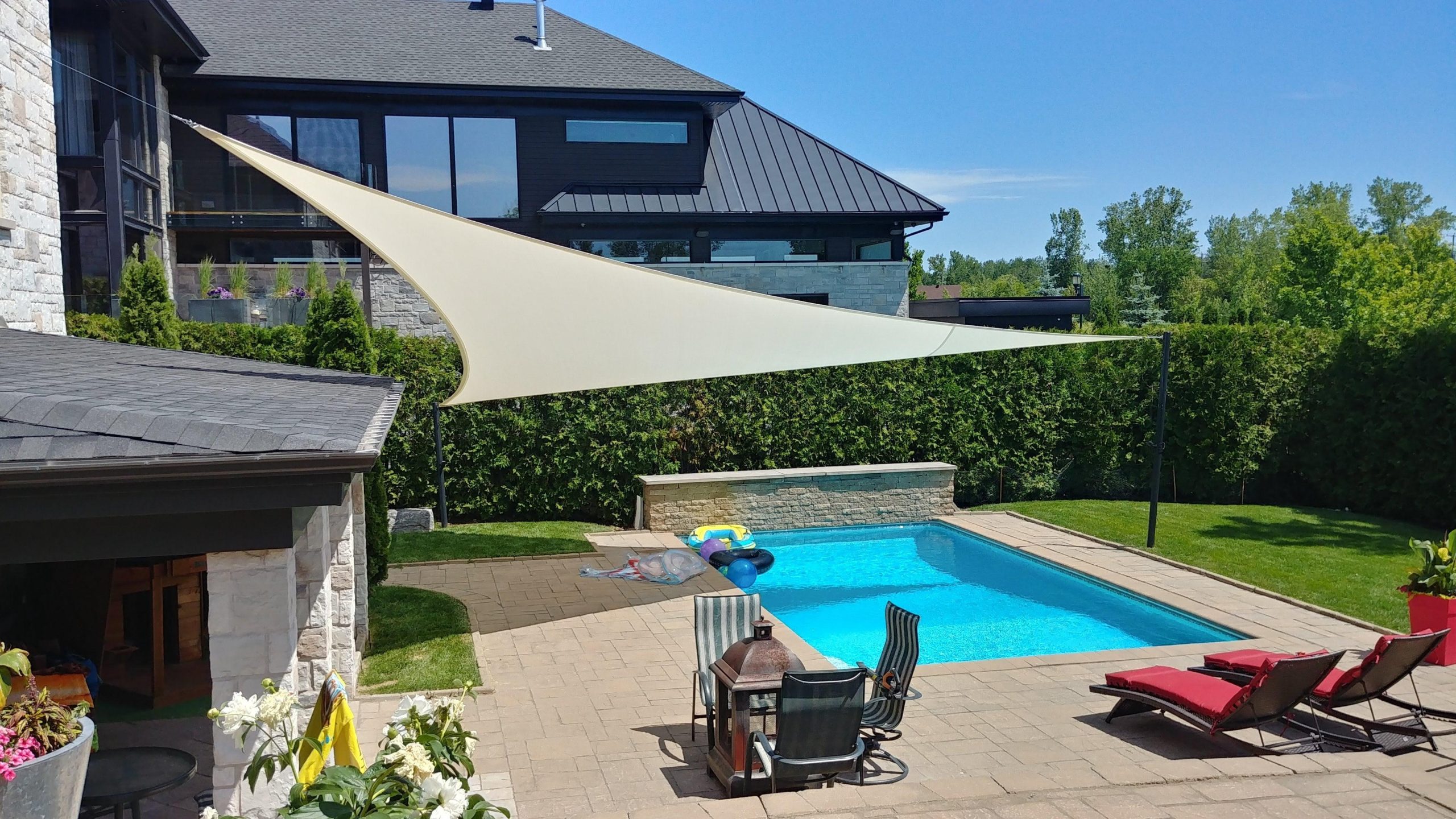
Waterproof covers and tarpaulins play a crucial role in marine applications, providing essential protection and enhancing the longevity of various maritime assets. These versatile materials are indispensable in safeguarding vessels, cargo, and equipment from the harsh marine environment characterized by saltwater exposure, UV radiation, wind, and fluctuating weather conditions.
One of the primary uses of waterproof covers in marine settings is to protect boats and yachts when they are not in use. Whether docked at a marina or stored on land during off-seasons, these coverings shield vessels from harmful elements that can lead to deterioration over time. Saltwater can be particularly corrosive to metal parts and finishes; thus, using durable tarpaulins helps prevent rusting and fading caused by prolonged exposure to the sun. Additionally, waterproof covers help keep interiors dry by preventing rainwater ingress through hatches or other openings.
In commercial shipping operations, tarpaulins serve as protective barriers for cargo transported across oceans. They ensure that goods remain dry despite turbulent weather conditions encountered at sea. For instance, bulk carriers often use heavy-duty tarps to cover open holds containing grains or minerals susceptible to moisture damage. By maintaining dryness throughout transit, businesses avoid losses associated with spoilage or compromised product quality upon arrival https://shade4you.eu/en_GB/c/COVERS-AND-TARPAULINS/198 at their destination.
Moreover, waterproof covers find significant utility in protecting sensitive equipment used aboard ships such as navigation instruments or communication devices housed on deck areas exposed directly to environmental elements. By deploying custom-fitted tarps over these components when not operationally required – especially during long voyages – operators mitigate risks posed by water-induced malfunctions which could otherwise compromise safety protocols onboard.