

When it comes to maintaining the quality and safety of food in commercial kitchens, the frequency of fryer oil changes is a topic that garners significant attention from culinary experts and health professionals alike. The consensus among these experts is that regular oil changes are crucial for ensuring optimal taste, texture, and nutritional value of fried foods while also adhering to health standards.
The recommended frequency for changing fryer oil depends on several factors including the type of food being cooked, the volume of frying, and the specific type of oil used. Generally speaking, many industry professionals suggest changing the oil after six to eight hours of continuous use. However, this can vary greatly depending on these aforementioned variables. For instance, heavily battered or breaded foods tend to break down oils more quickly due to residue left behind during cooking. As a result, establishments specializing in such dishes may need to change their fryer oil more frequently.
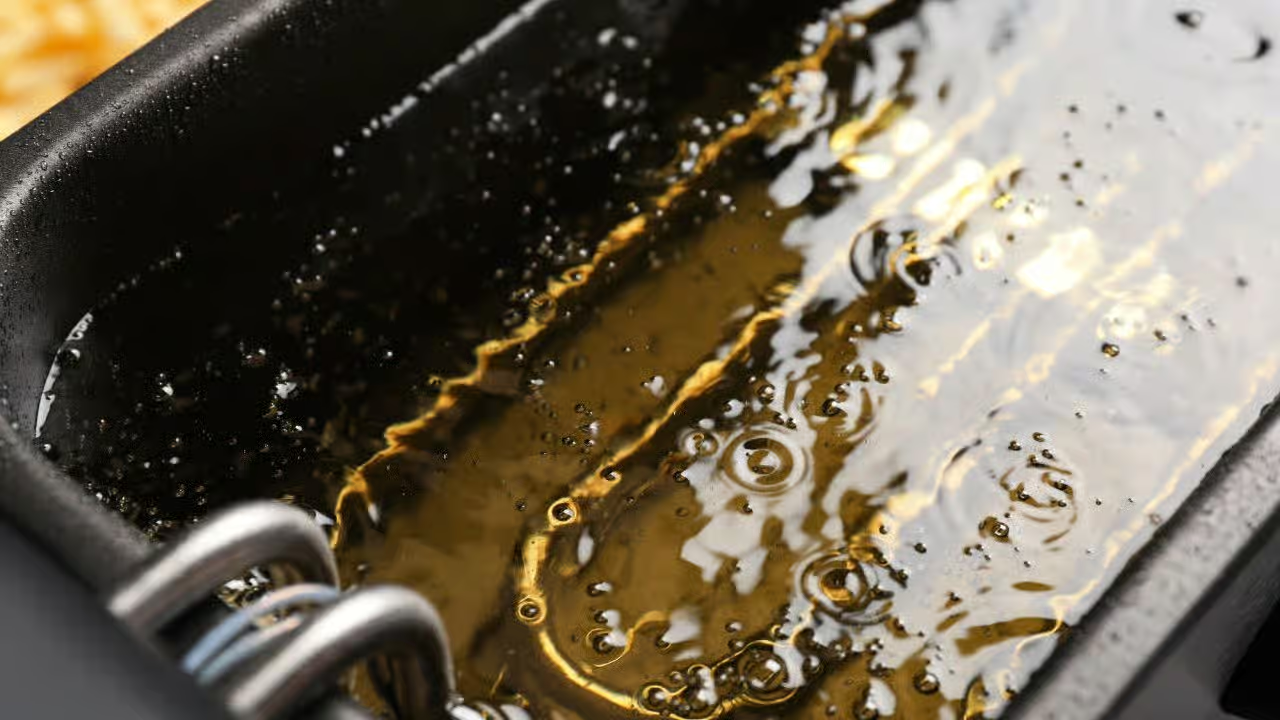
Experts emphasize that monitoring certain indicators can help determine when an oil change is necessary. One key indicator is the color and clarity of the oil; darkened or cloudy oil often signals degradation. Additionally, if food absorbs too much grease or has an off-flavor after frying, it might be time for an oil change. The presence of excessive smoke at normal frying temperatures can also indicate that the breakdown products have reached undesirable levels.
Health considerations play a pivotal role in determining recommended fryer oil change frequency as well. Overused cooking oils can develop harmful compounds like acrylamide—a chemical linked with potential health risks—when exposed repeatedly to high heat over extended periods. Therefore, adhering to proper maintenance schedules not only enhances flavor but also mitigates potential health hazards.
Moreover, some experts advocate for using technology-assisted solutions such as electronic fryers equipped with sensors that monitor various parameters like temperature fluctuations and total usage time which provide real-time data about when an oil change should occur based on scientific measurements rather than mere estimation.
In addition to technological aids, implementing staff training programs focused on recognizing signs indicating necessary changes contributes significantly towards maintaining high-quality standards within kitchen operations according to specialists in culinary management fields.
Ultimately though each establishment must tailor its approach considering unique operational needs while keeping abreast with expert recommendations regarding best practices around managing frying oils effectively thereby ensuring both customer satisfaction through superior product offerings alongside compliance with prevailing safety regulations governing foodservice industries worldwide today!